Introduction to Aircraft Instruments
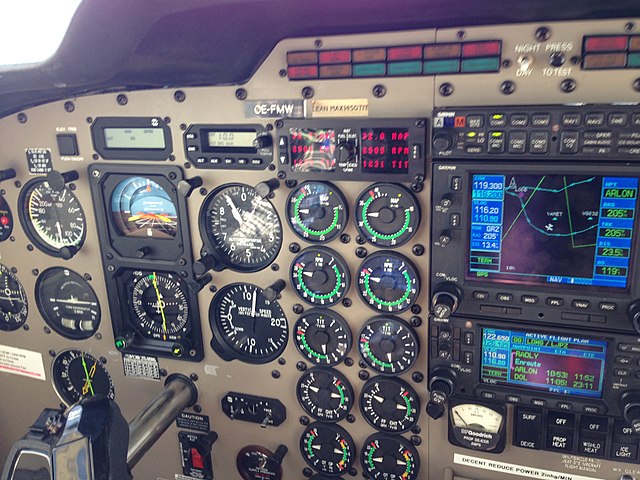
Aircraft instruments play a critical role in ensuring the safe and efficient operation of an aircraft. These instruments provide pilots with essential information regarding the aircraft’s performance, orientation, and environment, allowing them to make informed decisions during flight. Common instruments include the altimeter, airspeed indicator, attitude indicator, and vertical speed indicator, each serving a unique function. Collectively, these tools help pilots navigate through various flight conditions and maintain control of the aircraft.
The Function of the Altimeter
The altimeter is one of the primary instruments used in aviation. It measures the altitude of the aircraft above sea level by determining the air pressure outside the plane. As an aircraft ascends or descends, the change in air pressure is reflected on the altimeter, providing the pilot with crucial altitude information. Accurate altitude readings are vital for maintaining safe separation from other aircraft and terrain, particularly in mountainous regions or congested airspace.
Importance of the Airspeed Indicator
Another key instrument is the airspeed indicator, which displays the current speed of the aircraft relative to the surrounding air. This instrument is essential for flight safety, as it helps pilots avoid flying too slowly, which can lead to a stall, or too fast, which can cause structural damage to the aircraft. Measuring speed in knots or miles per hour, the airspeed indicator enables pilots to make necessary adjustments during different phases of flight, such as takeoff, cruise, and landing.